
For lighting distributors, wholesalers, and project contractors sourcing LED downlights in bulk, choosing the right product involves much more than comparing prices.
Common problems such as inconsistent lumen output between batches, driver failures, color temperature mismatches, and missing technical documents can lead to unexpected costs, project delays, and customer complaints.
Experienced buyers understand that the key to successful LED lighting procurement is defining the correct specifications before placing an order.
This guide explains the most important factors to consider when selecting LED downlights for residential and commercial applications, including product types, technical specifications, quality considerations, and how to choose a reliable LED downlight manufacturer.
Three Main Types of LED Downlights
1.Recessed LED Downlights
Recessed LED downlights are one of the most widely used lighting solutions for residential and commercial projects. Installed into ceiling openings, they provide a clean appearance and comfortable lighting effect while saving installation space.
For professional buyers, selecting a recessed LED downlight is not only about the appearance. Important specifications should include:
- Cut-out size
- Installation depth
- Wattage options
- Lighting performance
- Ceiling compatibility
One common issue during project installation is the mismatch between the product size and the existing ceiling structure. Before placing a bulk order, buyers should always request technical drawings and confirm installation dimensions.
Recessed LED downlights are commonly used in:
- Residential buildings
- Offices
- Hotels
- Shopping malls
- Retail stores
- Commercial spaces
For distributors and wholesalers, stable product dimensions and consistent quality between production batches are especially important because they directly affect installation efficiency and customer satisfaction.
2. Surface Mounted LED Downlights
Surface mounted LED downlights are designed for applications where recessed installation is not suitable, such as concrete ceilings, renovation projects, and areas with limited ceiling depth.
Compared with recessed models, surface mounted downlights provide:
- Easier installation
- Flexible application options
- Suitable solutions for renovation projects
- No requirement for large ceiling openings
From a manufacturing perspective, thermal management is an important consideration for surface mounted LED downlights. Since the LED module, driver, and housing are integrated together, proper heat dissipation design directly affects product reliability and lifespan.
Surface mounted LED downlights are commonly selected for:
- Apartments
- Commercial renovation projects
- Corridors
- Public areas
- Hospitality applications
3. Adjustable LED Downlights
Adjustable LED downlights allow users to change the lighting direction according to different application requirements.
They are widely used in:
- Retail stores
- Hotels
- Galleries
- Showrooms
- Accent lighting projects
Unlike standard downlights that provide fixed downward lighting, adjustable models allow designers to highlight specific areas, products, or architectural features.
When purchasing adjustable LED downlights, buyers should consider:
- Adjustment angle
- Beam angle
- Mechanical structure
- Long-term durability
For commercial projects, the adjustment mechanism should maintain stable performance after repeated positioning during store layout changes.
Key Factors to Consider When Selecting LED Downlights
Wattage and Lumens: Understanding Real Brightness
One of the most common mistakes when purchasing LED downlights is comparing products only by wattage.
Wattage indicates power consumption, while lumens indicate the actual light output.
For example, two 10W LED downlights from different suppliers may provide different brightness levels due to differences in:
- LED chip efficiency
- Optical design
- Driver quality
- Thermal management
A professional buyer should evaluate lumen output and lighting efficiency rather than relying only on wattage information.
When selecting LED downlights, consider:
- Room size
- Ceiling height
- Application purpose
- Required brightness level
Typical application references:
| Application | Key Considerations |
|---|---|
| Bedroom and residential areas | Comfortable brightness and warm atmosphere |
| Kitchen and working areas | Higher illumination requirements |
| Office projects | Balanced brightness and visual comfort |
| Retail stores | Higher CRI and focused lighting |
For bulk purchasing, consistent lumen output between different production batches is essential. Even small performance differences can affect project results when thousands of units are installed.
Color Temperature (CCT): Choosing the Right Lighting Atmosphere
Color temperature plays an important role in creating the desired lighting environment.
Common LED downlight color temperatures include:
2700K-3000K Warm White
Suitable for:
- Residential areas
- Bedrooms
- Restaurants
- Hotels
Warm white creates a comfortable and relaxing atmosphere.
4000K Neutral White
Suitable for:
- Offices
- Schools
- Healthcare facilities
- Commercial environments
Neutral white provides a balanced lighting effect for working environments.
5000K-6500K Cool White
Suitable for:
- Warehouses
- Industrial areas
- Task lighting applications
Cool white provides higher visual clarity.
For distributors serving multiple markets, 3CCT LED downlights are becoming increasingly popular because one product can provide multiple color temperature options.
Benefits of 3CCT LED downlights include:
- Reduced inventory pressure
- Flexible solutions for different projects
- Easier product management
Before purchasing, buyers should confirm the CCT switching method, such as:
- DIP switch
- External selector
- Smart control system
Different solutions may affect installation methods and end-user experience.
Color Rendering Index (CRI): Improving Lighting Quality
CRI measures how accurately colors appear under artificial lighting.
For different applications, CRI requirements may vary:
- Residential lighting: CRI 80+
- Retail stores: CRI 90+
- Restaurants and showrooms: High CRI solutions are preferred
- Museums and galleries: Higher CRI requirements
For industries where product appearance matters, such as fashion retail, food displays, and beauty stores, high CRI LED downlights can improve the presentation of products.
However, higher CRI performance requires careful LED selection and optical design. A reliable LED lighting supplier should be able to provide consistent color performance between different batches.
Beam Angle: Selecting the Right Light Distribution
Beam angle determines how light spreads across a space and directly affects lighting uniformity.
Different beam angles serve different purposes:
Narrow Beam Angle (15°-25°)
Suitable for:
- Accent lighting
- Display lighting
- Highlighting specific objects
Medium Beam Angle (36°-45°)
Suitable for:
- Residential lighting
- General commercial applications
Wide Beam Angle (60°+)
Suitable for:
- Large-area lighting
- Spaces requiring wider coverage
For project applications, buyers should consider both beam angle and installation height. The wrong beam angle may result in uneven lighting or require additional fixtures.
Professional suppliers should provide lighting data or application recommendations to help buyers select the right solution.
Common Mistakes When Purchasing LED Downlights
Choosing Products Based Only on Price
Price is always an important factor in procurement, but the lowest-cost product may create higher long-term expenses.
Potential problems include:
- Higher failure rates
- Customer complaints
- Replacement costs
- Project delays
Professional buyers should evaluate total value, including quality consistency, supplier support, and product reliability.
Ignoring Driver and Component Quality
The external appearance of an LED downlight does not always reflect internal quality.
Important factors include:
- LED chips
- Drivers
- Electrical components
- Heat dissipation structure
A reliable supplier should provide technical information and quality assurance instead of only focusing on price.
Not Confirming Specifications Before Bulk Orders
Many project problems happen because specifications are not clearly confirmed before production.
Before placing an order, buyers should confirm:
- Wattage
- Lumen output
- CCT
- CRI
- Beam angle
- Cut-out size
- Certifications
- Packaging requirements
Approving samples before mass production can significantly reduce risks.
Why Choose Enshine Lighting as Your LED Downlight Manufacturer
Choosing the right supplier is as important as choosing the right product.
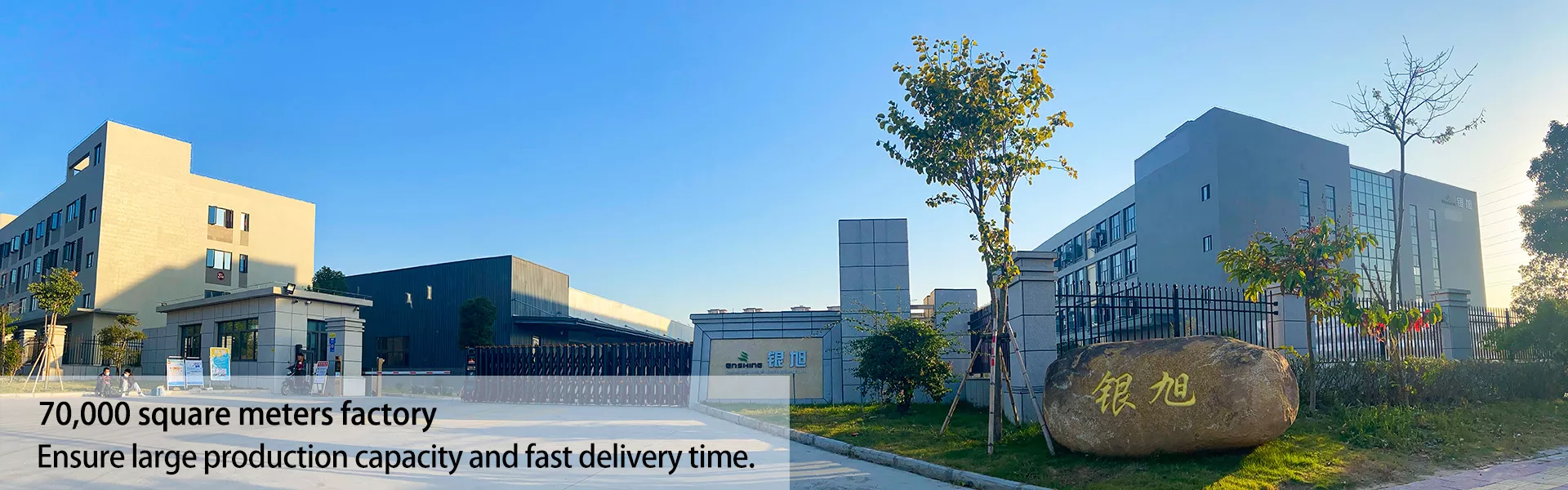
With more than 19 years of LED lighting manufacturing experience, Enshine Lighting provides professional LED lighting solutions for global distributors, wholesalers, and project customers.
19 Years of LED Lighting Manufacturing Experience
Since 2006, Enshine Lighting has focused on LED lighting development and manufacturing.
Years of industry experience allow us to understand:
- Different market requirements
- Product development challenges
- Quality control standards
- Long-term supply expectations
OEM and ODM Customization Capability
For distributors and lighting brands, standard products are not always enough.
Enshine provides customization support including:
- Product specifications
- Wattage options
- Color temperature solutions
- Housing design
- Packaging customization
- Private label requirements
This helps customers develop products suitable for their target markets.
Complete Manufacturing and Quality Control System
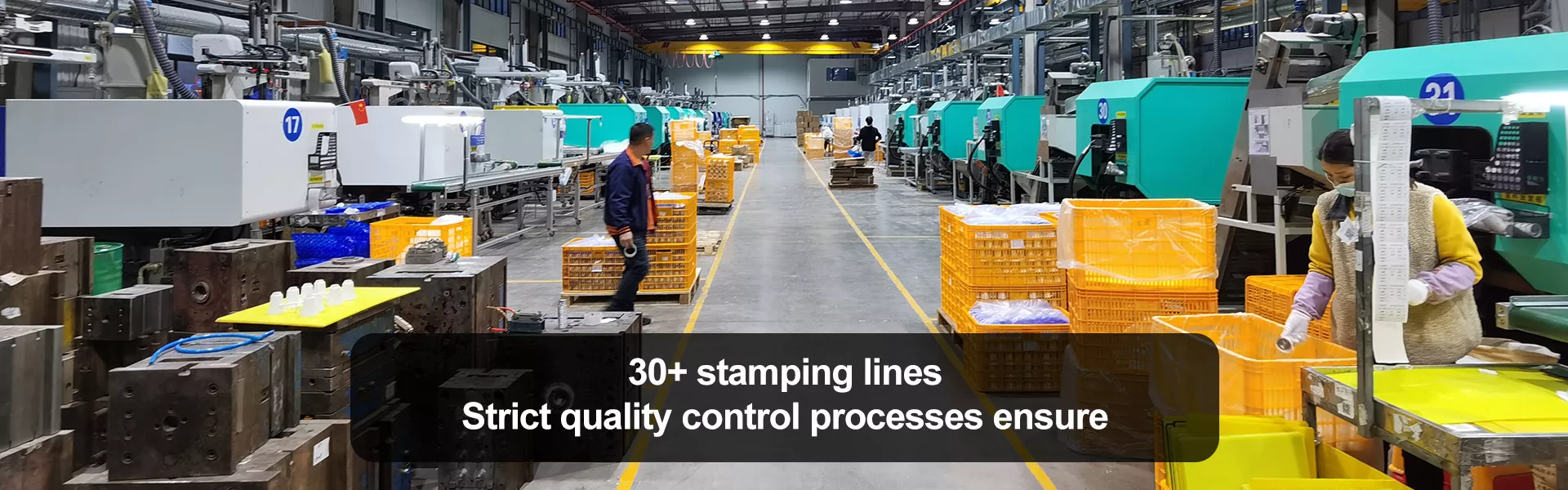
Unlike suppliers that only assemble products, Enshine has its own manufacturing capabilities, including:
- Plastic injection molding
- Aluminum stamping
- LED lighting assembly
- Product testing
- Quality control procedures
Controlling more production processes internally helps improve:
- Product consistency
- Production efficiency
- Supply stability
Reliable LED Lighting Solutions for Global Buyers
Enshine supplies LED lighting products for different markets and applications, including:
- LED downlights
- LED panel lights
- LED batten lights
- LED bulbs
- LED high bay lights
- LED street lights
- Smart lighting products
For customers sourcing multiple lighting categories, working with one experienced manufacturer can simplify supplier management and improve purchasing efficiency.
Conclusion: Choosing the Right LED Downlight Supplier for Long-Term Success
Successful LED downlight procurement is not only about finding the lowest price. For wholesalers, distributors, and project buyers, product consistency, technical support, customization capability, and supplier reliability are equally important.
A professional LED downlight manufacturer should help customers reduce purchasing risks by providing stable quality, accurate specifications, and long-term supply support.
With 19 years of manufacturing experience and complete production capabilities, Enshine Lighting provides reliable LED downlight solutions for global lighting partners.
If you are looking for a trusted LED lighting supplier for wholesale distribution, OEM projects, or customized lighting solutions, contact Enshine Lighting to discuss your requirements.