

As modern education environments continue to evolve, classroom lighting is no longer simply about brightness. Schools, educational institutions, and project contractors are paying more attention to visual comfort, student concentration, and eye protection.
Poor classroom lighting can lead to eye fatigue, glare discomfort, reduced focus, and even affect long-term visual health for students who spend many hours reading and writing under artificial lighting every day.
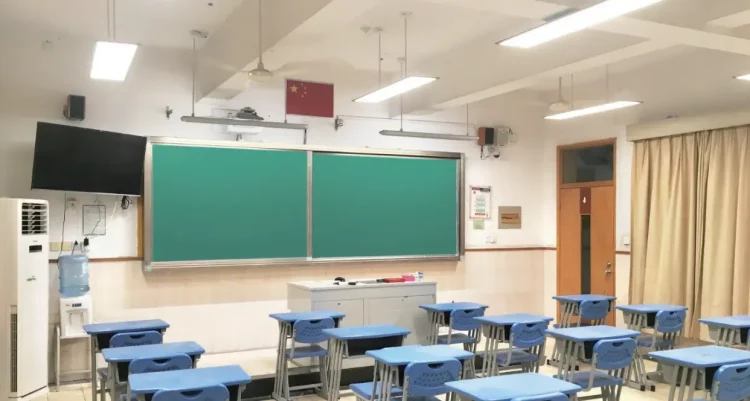
So how should schools choose proper classroom lighting? What factors really matter for student eye protection? This article explores several important considerations for modern classroom lighting design.
Why Classroom Lighting Matters?
Students spend a significant portion of their day inside classrooms. Lighting conditions directly influence reading comfort, concentration, mood, and learning efficiency.
Traditional fluorescent lighting systems often create common problems such as:
- Visible glare on desks and blackboards
- Flickering light output
- Uneven illumination
- Excessive brightness contrast
- Visual fatigue during long study periods
As educational standards improve, schools are increasingly replacing outdated lighting systems with healthier LED classroom lighting solutions.
Reduce Glare for Better Visual Comfort
One of the most important factors in classroom lighting is glare control.
Excessive glare can cause discomfort when students look at whiteboards, books, tablets, or projection screens. In classrooms with poor lighting design, reflections on desks and blackboards may also affect visibility.
Modern anti-glare classroom lighting usually adopts low UGR (Unified Glare Rating) optical design to create softer and more uniform illumination.
For educational environments, UGR<19 is commonly recommended to improve visual comfort and reduce eye strain.
Proper glare control can help create a more relaxed and focused learning atmosphere for students and teachers alike.
Flicker-Free Lighting Helps Reduce Eye Fatigue
Lighting flicker is another issue often overlooked in traditional classroom environments.
Although flicker may not always be visible to the human eye, unstable lighting output can still contribute to:
- Eye discomfort
- Headaches
- Difficulty concentrating
- Visual stress after long periods of reading
Flicker-free LED classroom lighting provides more stable illumination and helps reduce visual fatigue during daily classroom activities.
This is especially important for students who spend long hours reading, writing, and using digital devices.
Choose Suitable Color Temperature
Color temperature also plays an important role in classroom environments.
In most educational applications, 4000K to 5000K is widely considered suitable for classrooms because it provides clear and comfortable white light without appearing too cold or too warm.
- 4000K creates a softer and more natural atmosphere
- 5000K offers brighter and more focused illumination
The right balance depends on classroom design, natural daylight conditions, and teaching requirements.
High CRI Improves Visual Clarity
CRI (Color Rendering Index) measures how accurately a light source displays colors.
High CRI classroom lighting helps students see books, teaching materials, and objects more naturally and clearly.
In educational environments, lighting with CRI 80 or above is commonly recommended. Higher CRI can improve visual clarity and create a more comfortable reading experience.
Uniform Lighting Distribution Is Essential
Brightness alone does not guarantee good classroom lighting.
Uneven illumination may create dark areas or excessive brightness contrast, causing visual discomfort inside the classroom.
A well-designed classroom lighting system should provide:
- Uniform light distribution
- Comfortable brightness levels
- Balanced illumination across desks and blackboards
Proper fixture layout and beam angle selection are important factors for achieving better lighting uniformity.
Smart Classroom Lighting Is Becoming a Trend
Many modern schools are now adopting smart classroom lighting systems to improve energy efficiency and classroom management.
Smart lighting systems can support:
- Dimming control
- Scene adjustment
- Daylight sensing
- Remote management
- Energy-saving operation
Different lighting modes can also be adjusted according to classroom activities such as reading, presentations, discussions, or multimedia teaching.
As smart campus development continues, intelligent classroom lighting is becoming an important part of modern educational infrastructure.
Energy Efficiency and Long-Term Maintenance
Educational facilities usually operate lighting systems for many hours every day. Energy efficiency and maintenance cost are therefore important considerations.
Compared with traditional fluorescent fixtures, LED classroom lighting offers:
- Lower power consumption
- Longer lifespan
- Reduced maintenance frequency
- Better lighting stability
This helps schools reduce long-term operational costs while improving the overall learning environment.
Conclusion
Healthy classroom lighting is about much more than brightness. A well-designed lighting system should balance visual comfort, glare control, flicker reduction, lighting uniformity, and energy efficiency.
As schools place greater emphasis on student eye protection and healthy learning environments, modern LED classroom lighting solutions are becoming an increasingly important investment for educational facilities worldwide.
Choosing suitable classroom lighting can help create a more comfortable, efficient, and student-friendly learning space for the future.
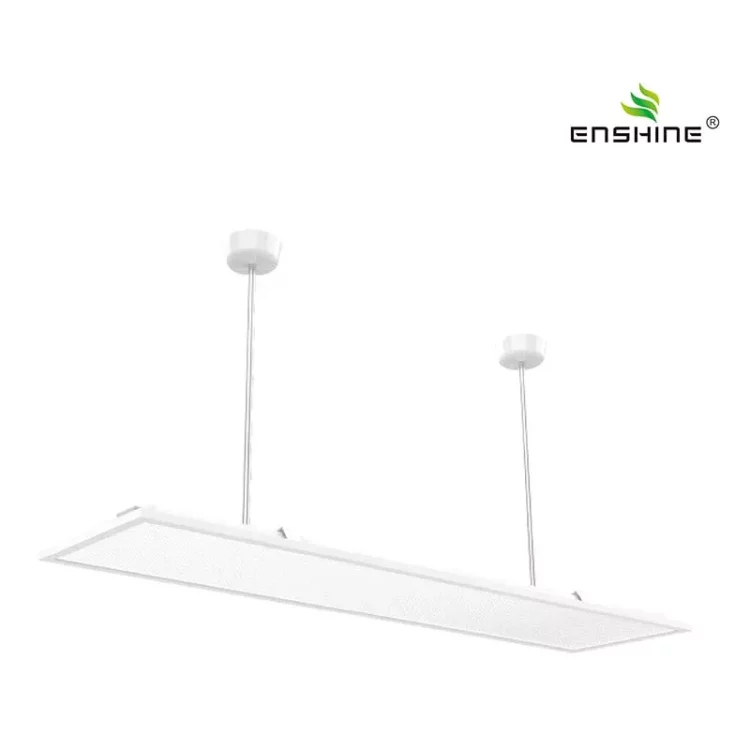
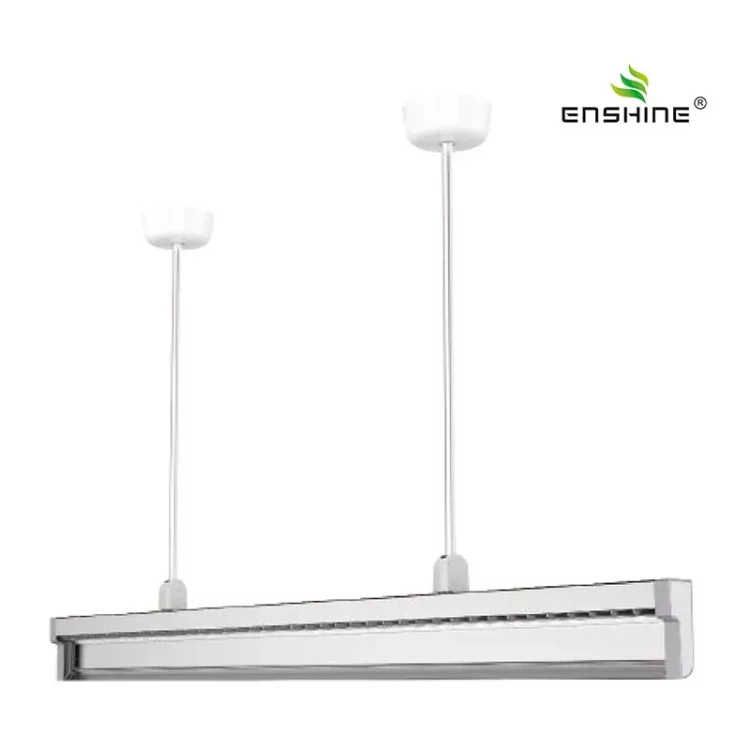
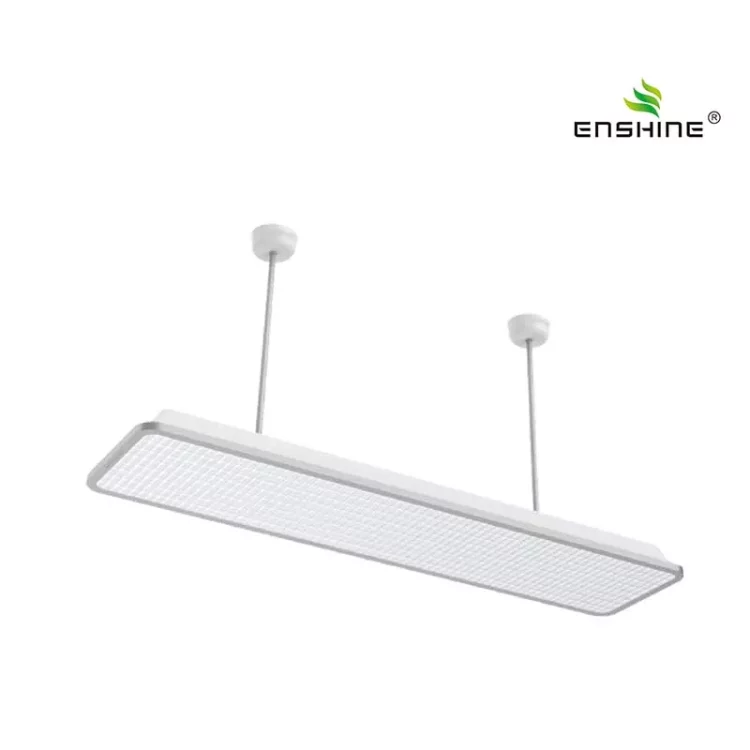
More details, pls check our classroom light series