
Industry Knowledge
Lumens vs Watts: A Practical Guide for LED Lighting Buyers
2026-07-02
Lumens Explained for LED Lighting Buyers in 2026|lumens for LED lighting,LED lumens guide,LED lighting lumens,lumens vs watts LED lighting,how to choose LED lumens,LED flood light IP65,PIR sensor floodlight,3CCT batten light,industrial lighting supplier,LED lighting manufacturer,commercial LED lighting,warehouse lighting solutions,LED lighting importer,LED lighting distributor,LED lighting contractor,LED lighting procurement guide,LED flood light lumen output,energy efficient LED lighting,CE RoH
Introduction: Why Lumens Matter More Than Watts
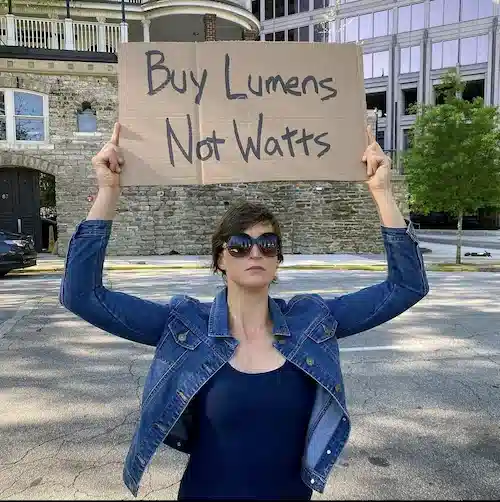 Many lighting buyers still receive inquiries asking for a "50W floodlight" or a "20W batten light." While wattage tells you how much energy a fixture consumes, it does not tell you how much light it produces.
For importers, distributors, and project contractors, the real question is:
l question is:
Will this product provide enough illumination for the application while maintaining efficiency and long service life?
The answer starts with lumens.
Whether you are sourcing LED flood lights for a warehouse, batten lights for a supermarket, or panel lights for an office project, understanding lumen output can help you:
Many lighting buyers still receive inquiries asking for a "50W floodlight" or a "20W batten light." While wattage tells you how much energy a fixture consumes, it does not tell you how much light it produces.
For importers, distributors, and project contractors, the real question is:
l question is:
Will this product provide enough illumination for the application while maintaining efficiency and long service life?
The answer starts with lumens.
Whether you are sourcing LED flood lights for a warehouse, batten lights for a supermarket, or panel lights for an office project, understanding lumen output can help you:
- Compare products from different suppliers
- Avoid over-specification and unnecessary costs
- Meet project lighting requirements
- Improve customer satisfaction
- Reduce warranty claims caused by poor light performance
What Are Lumens?
Lumens (lm) measure the total amount of visible light produced by a lighting fixture. The higher the lumen value, the brighter the light. For example:| Product Type | Typical Power | Typical Lumens |
|---|---|---|
| LED Bulb | 9W | 800-900 lm |
| LED Bulb | 12W | 1100-1300 lm |
| LED Batten Light | 40W | 4000-5000 lm |
| LED Panel Light | 40W | 4000-4800 lm |
| LED Flood Light | 100W | 10000-15000 lm |
| LED High Bay | 150W | 21000-24000 lm |
Why Professional Buyers Should Focus on Lumens per Watt
When evaluating suppliers, lumen output alone is not enough. A more useful metric is: Lumens per Watt (lm/W) This measures lighting efficiency. Formula: Lumens ÷ Watts = lm/W Example:- Product A: 100W, 10,000 lm = 100 lm/W
- Product B: 100W, 15,000 lm = 150 lm/W
- Lower energy bills
- Better project competitiveness
- Easier compliance with energy regulations
- Improved return on investment
Factors That Influence Actual Lumen Performance
Many buyers compare datasheets without considering what happens after installation. The lumen value printed on a catalog is only part of the story.LED Chips
Premium LED chips generally provide:- Higher efficacy
- Better color consistency
- Lower lumen depreciation
Driver Quality
A stable driver affects:- Output consistency
- Flicker performance
- Product lifetime
Heat Dissipation
Heat is one of the biggest enemies of LED performance. A well-designed aluminum housing helps:- Maintain lumen output
- Extend component lifespan
- Reduce lumen depreciation over time
Optical Design
Reflectors, diffusers, and lenses determine how effectively lumens reach the target area. Two fixtures with identical lumen output may create very different lighting results depending on beam distribution.Understanding Lumen Maintenance
For commercial and industrial projects, initial brightness is not the only consideration. Buyers should also evaluate how much light remains after years of operation. Common specifications include:- L70
- L80
- L90
Three Real B2B Lighting Scenarios
Scenario 1: Warehouse High Bay Upgrade
A logistics center in Europe replaced 400W metal halide fixtures with 150W LED high bays. The key evaluation criteria were:- Minimum 22,000 lumens
- High efficacy
- Long-term lumen maintenance
Scenario 2: Supermarket Batten Lighting
A distributor supplying retail stores needed uniform lighting for aisles. Instead of selecting products solely by wattage, they focused on:- 3CCT flexibility
- Consistent lumen output
- Easy installation
Scenario 3: Outdoor Security Flood Lighting
A contractor sourcing IP65 flood lights for parking areas required:- Reliable lumen output
- PIR sensor options
- Weather resistance
- CE and RoHS compliance
How to Compare LED Products When Sourcing From China
When requesting quotations from suppliers, do not ask only for wattage. Request the following information:1. Initial Lumens
Verify tested lumen output rather than marketing claims.2. Luminous Efficacy
Target products with competitive lm/W performance for your market.3. Lumen Maintenance Data
Ask for L70 or L80 reports.4. Photometric Files
IES files help engineers perform lighting simulations.5. Certifications
Depending on market requirements:- CE
- RoHS
- ERP
- UKCA
- CB
- SAA
6. Warranty Terms
A 5-year warranty is often expected for professional lighting projects.7. Production Consistency
For repeat orders, lumen consistency is critical to avoid color and brightness variation.From Our Manufacturing Experience
Over the years, we have seen many projects fail because products were selected based only on wattage and price. In factory testing, two fixtures with the same rated power can show noticeable differences in actual brightness due to:- Driver efficiency
- LED chip selection
- Thermal design
- Optical losses
Buyer Guide: Choosing the Right Lumen Range

LED Bulbs
Recommended for:- Residential distribution
- Retail replacement markets
- 800-1500 lumens
LED Batten Lights
Recommended for:- Parking areas
- Warehouses
- Retail stores
- Utility rooms
- 3000-8000 lumens
LED Panel Lights
Recommended for:- Offices
- Schools
- Healthcare facilities
- 3600-6000 lumens
LED Flood Lights
Recommended for:- Building facades
- Security lighting
- Sports areas
- Industrial yards
- 5000-30000+ lumens
LED High Bay Lights
Recommended for:- Factories
- Logistics centers
- Workshops
- 15000-36000+ lumens